6 May 2026
Sweden hosted unique European workshop on advanced materials
 Amelie Hallin (Big Science Sweden) and Samina Shamsie (F4E).
A key aspect of the event was the unique opportunity for experts from ESS, CERN and F4E to meet in the same place, share ideas, identify synergies, avoid silo thinking and explore how developments at one facility could support technology progress at another.
Technology gaps in fusion materialsThroughout the workshop, participants mapped the broader landscape for advanced fusion materials and identified critical technology gaps in areas such as structural materials, plasma-facing materials, testing environments and high-temperature systems.
Strong participation from Swedish industryThere was also a strong interest from industry, with many companies participating in the discussions and contributing industrial perspectives, manufacturing expertise and experience from advanced technology development. The workshop highlighted the important role industry can play in developing future fusion technologies, not only as suppliers, but also as active partners in innovation, testing and scaling new materials solutions.
Towards a European roadmap“The long-term goal is to establish a shared roadmap for materials development within fusion and related fields,” said Max Collins, Big Science Sweden and Industrial Liaison Officer (ILO) for F4E/ITER. “Sweden is well positioned to play an important role in this work, with strong expertise among both researchers and companies, as well as valuable experience from advanced technology development linked to Big Science facilities.”
The workshop included representatives from:
- Fusion organisations: F4E and EUROfusion
- Big Science facilities: ESS, ITER and CERN
- Research institutes and laboratories: CIEMAT, Fraunhofer and DONES
- Swedish high-tech companies, and Research Institutes of Sweden (RISE)
Amelie Hallin (Big Science Sweden) and Samina Shamsie (F4E) moderated the workshop.
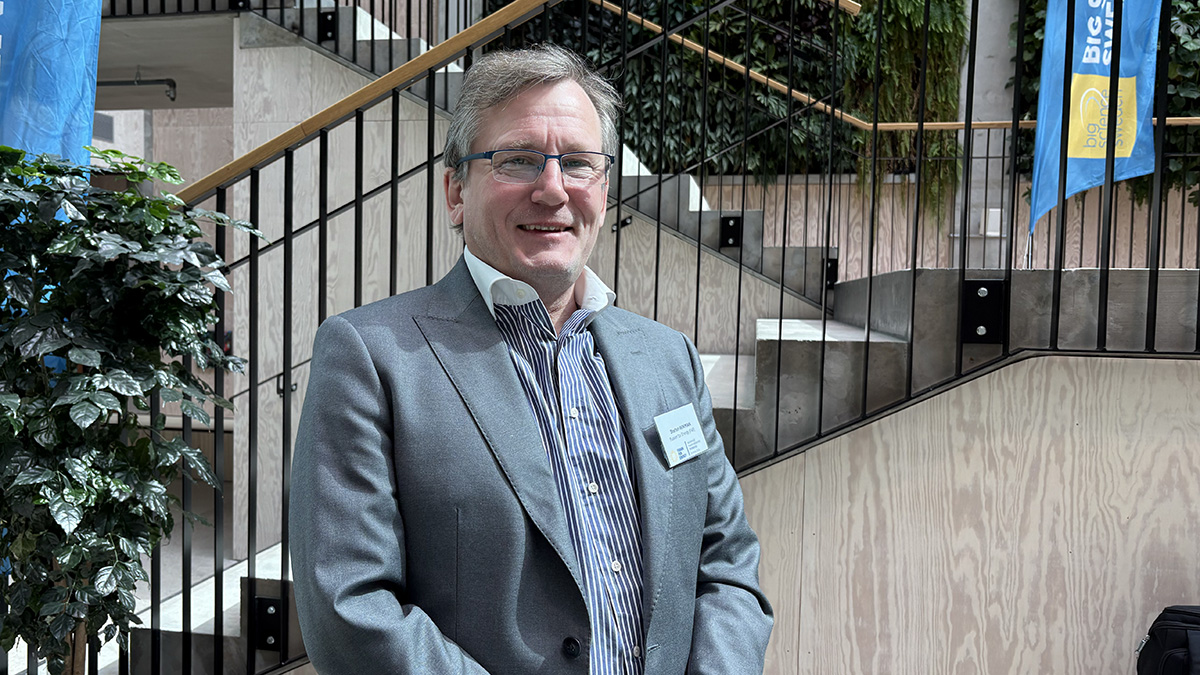
“Bringing together people from completely different disciplines challenges us to work in new ways. It creates a shared sense that we are all in this together, and that everyone shares a passion for fusion,” said Stefan Wikman from F4E.
Some Swedish voices
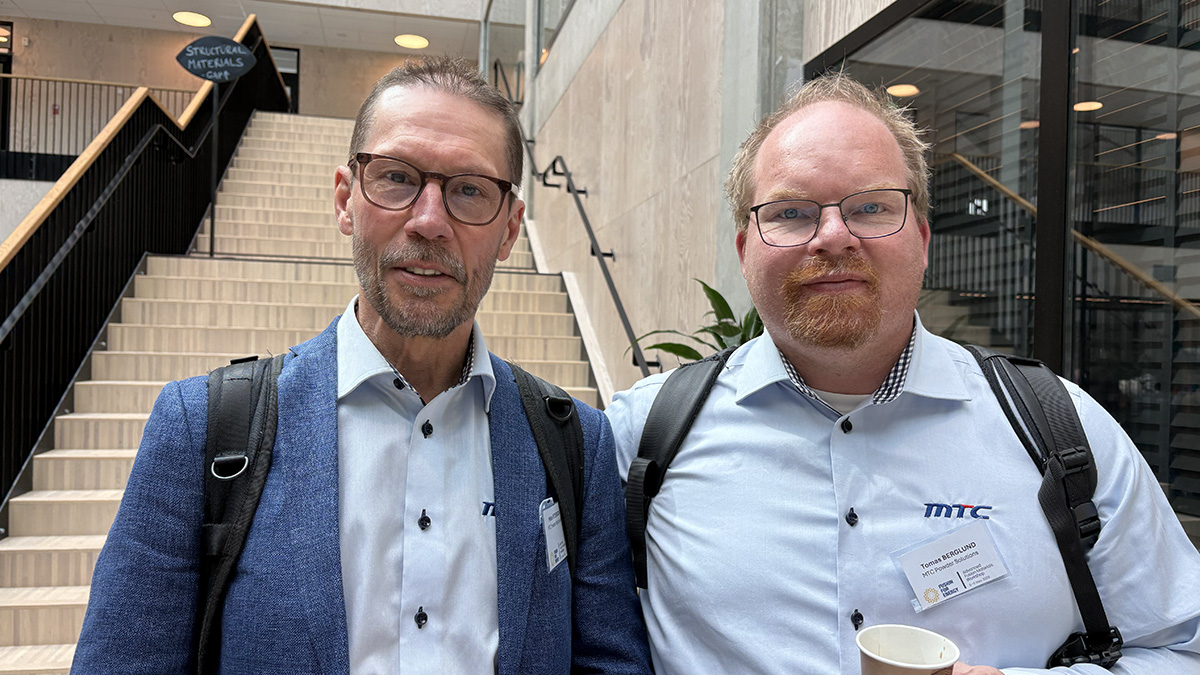
“The networking has been one of the most valuable parts, and we believe we will bring new business opportunities back with us. It has also been valuable to gain insights into future challenges,” said Mats Petersson and Tomas Berglund (MCT).
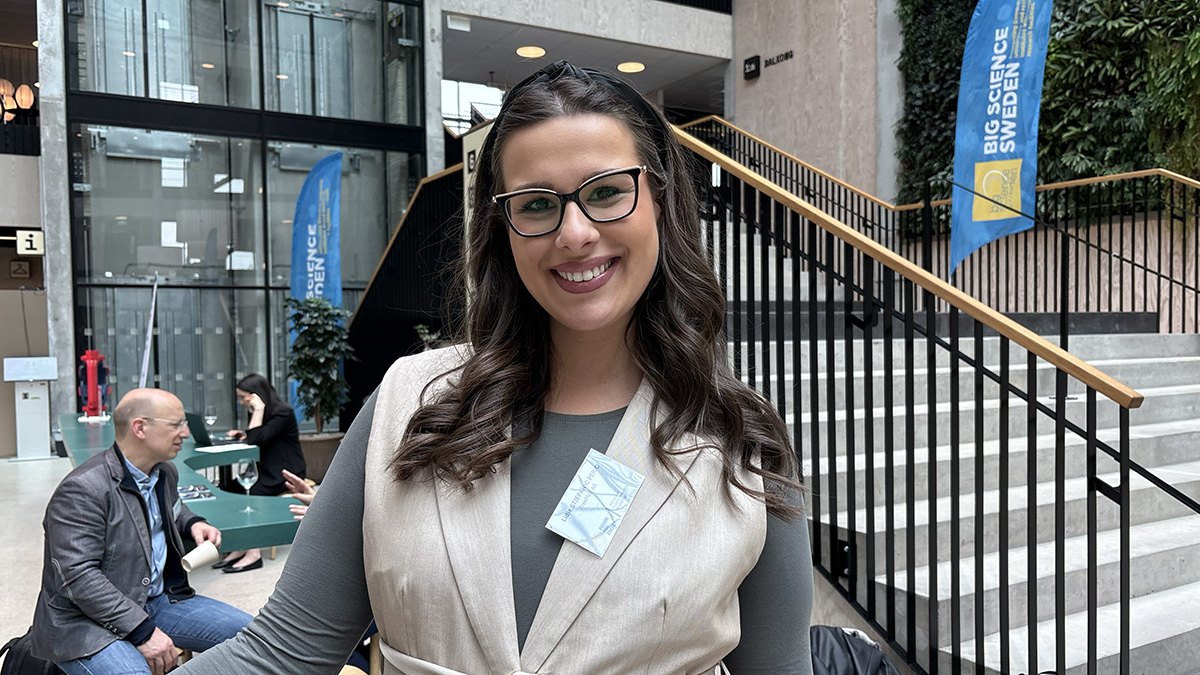
“It has been exciting to take part in discussions on plasma technologies and future fusion materials. It is valuable to see how different organisations approach similar challenges and to exchange ideas across disciplines,” says Lidija Peric (Freemelt)
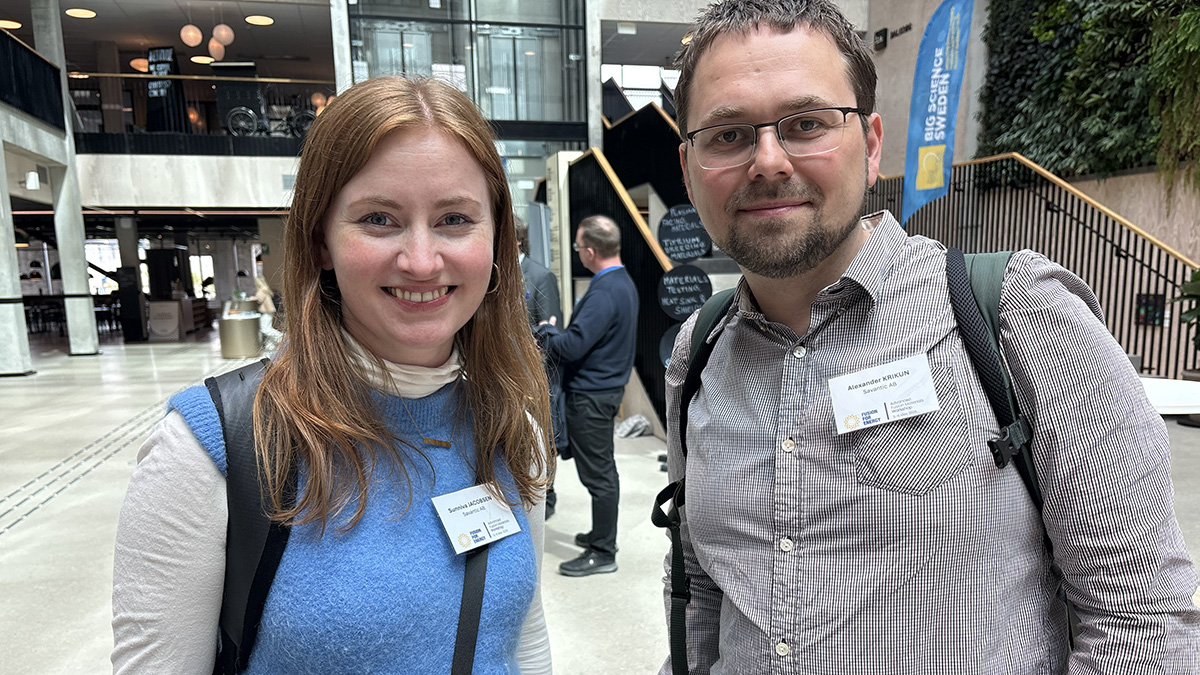
“The workshop created a valuable meeting place, especially through the breakout sessions where participants could discuss concrete challenges and results,” say Sunniva Jakobsen and Alexander Krikon (Savantic).
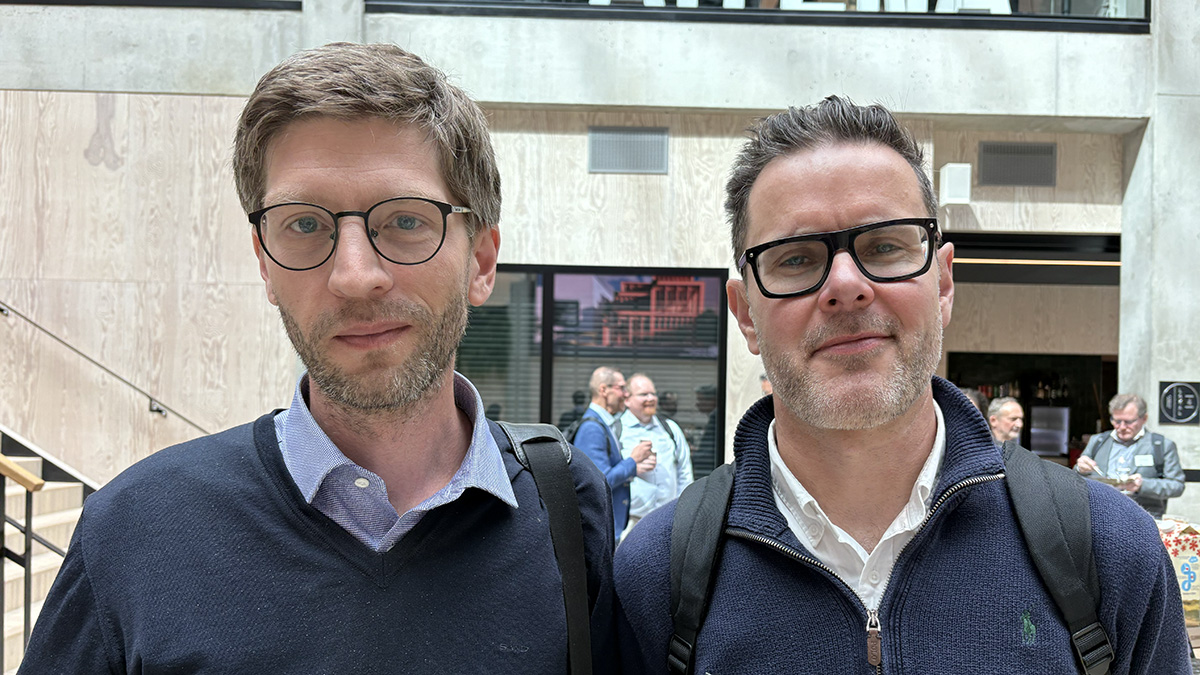
“Workshops like this provide an important overview of ongoing developments and what others in the field are doing,” say Martin Bjurman and Ian McKinley (Studsvik Nuclear).
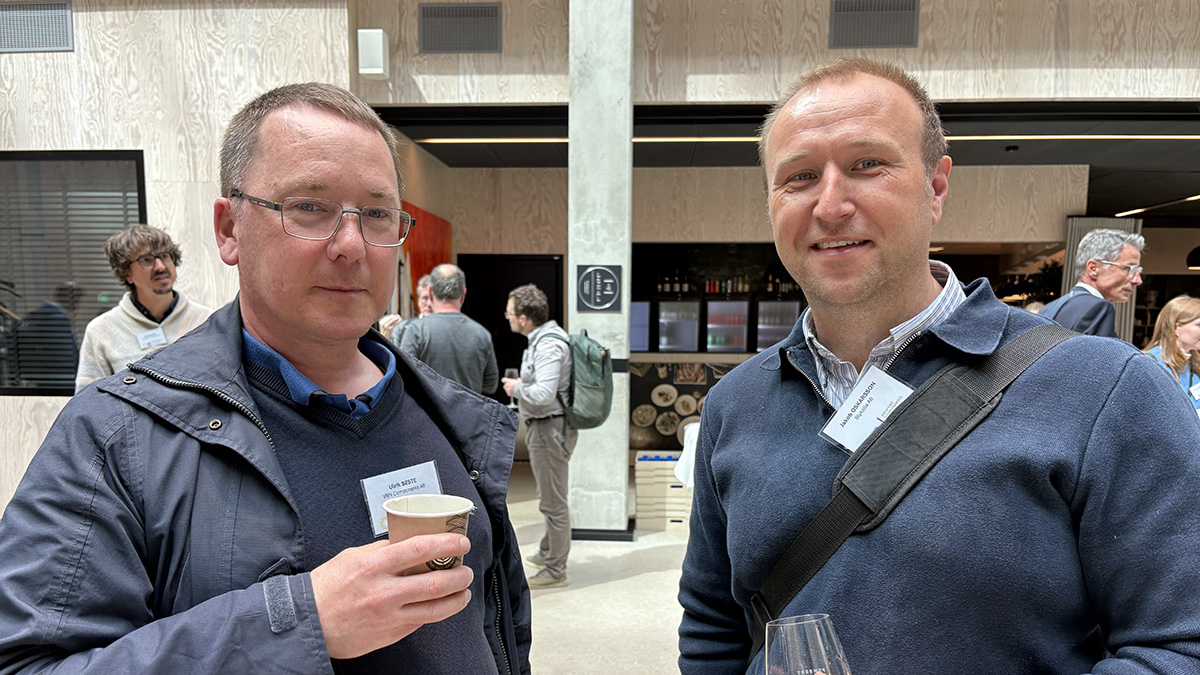
“Future workshops should focus even more on next-generation materials and technologies. From an industry perspective, we believe it is important to be bold and open to new approaches,” said Ulrik Beste (VBN Components) and Jakob Oscarsson (Blykalla).
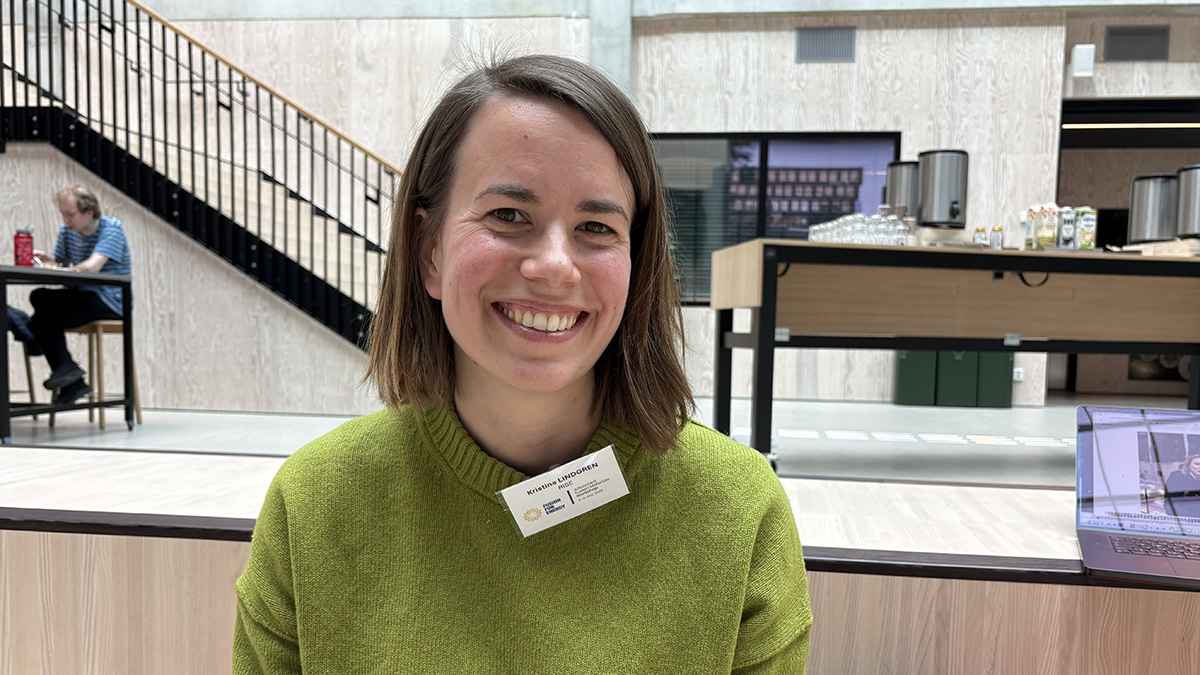
“It is very interesting to see how research, manufacturing and engineering come together in discussions about future fusion materials and technology choices,” says Kristina Lundgren (RISE).
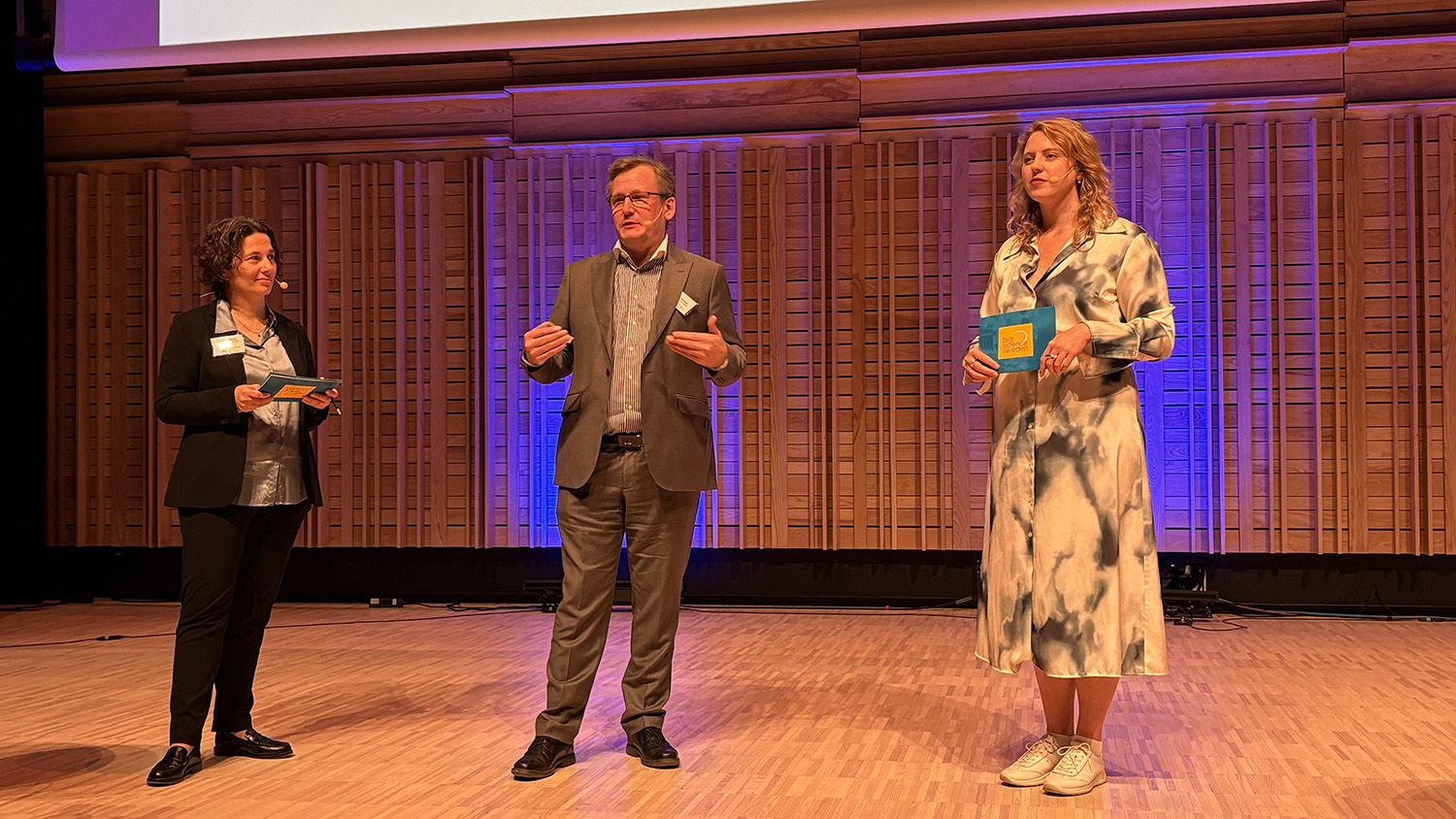
Samina Shamsie (F4E), Stefan Wikman (F4E) and Amelie Hallin (Big Science Sweden) summarise the two intensive days.
The Advanced Fusion Materials workshop took place in Lund on 5–6 May 2026, followed by a study visit to ESS.